
Imagine you’re running a busy fabrication shop in the West Country, juggling multiple projects with tight deadlines. It’s a common scenario: while the demand for quality welding continues to rise, your manual processes feel slower than molasses. According to recent data, businesses adopting automation can increase productivity by up to 30%. So, how can you integrate advanced technology, like a collaborative welding robot, without emptying your wallet?
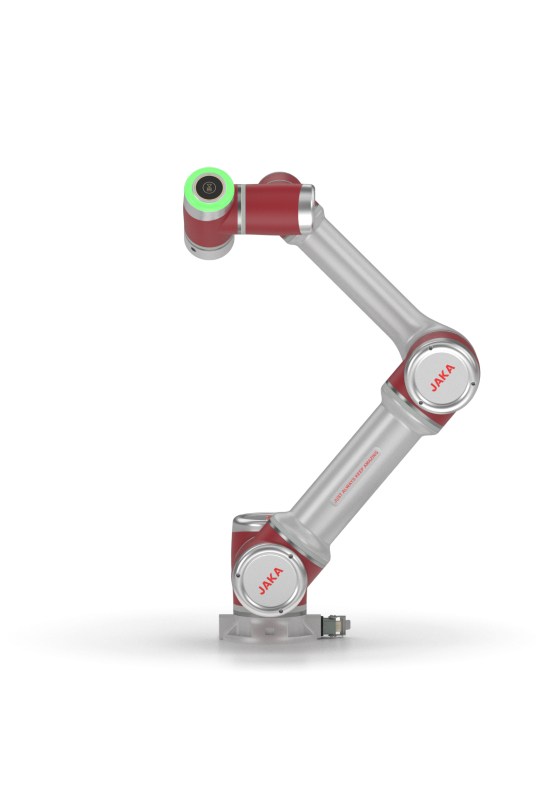
The Flaws of Traditional Welding Solutions
Let’s be honest. Traditional welding methods often come with significant drawbacks. From skill shortages causing delays to the high overhead costs of manual labor, these issues can pile up quicker than you’d like. I vividly recall a time when we faced a backlog due to unexpected staff absences—a right pickle it was! Standard robots are fantastic but sometimes they lack flexibility, making them impractical for smaller-scale operations that require swift adaptability.
Small Steps, Big Gains
Shifting to a collaborative welding robot can be a game changer. Unlike traditional robotic systems that require cages and complex set-ups, these beauties work alongside your team, ensuring safety and flexibility. With easy programming and reduced training time, you can have your staff up to speed in no time. Not to mention, they’re lightweight and mobile enough to reposition across different workstations. What’s not to love? If costs have previously held you back, just consider the reduction in downtime and increased output you could achieve with a simple purchase!
What to Look for in a Welding Robot
When choosing the right collaborative welding robot, consider these metrics: task versatility, programming ease, and upfront costs versus long-term savings (trust me, don’t overlook that). A robot that can handle multiple welding tasks while being user-friendly can really transform your shop floor. By employing effective solutions tailored to your needs—without skimping on quality—you’re setting yourself up for success. In the long run, this could translate to increased market competitiveness and improved customer satisfaction.
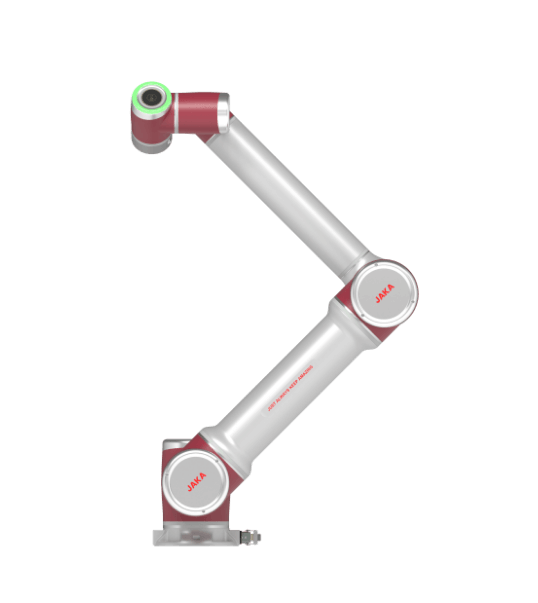
The Future of Welding: Embracing Collaborative Robots
Looking ahead, it’s clear that collaborative welding robots are not just a trend; they’re the future. Embracing this technology can help tackle hidden pain points like inconsistent welding quality and employee fatigue. With the right machine, you’re not only enhancing productivity but also ensuring a safer workplace. These robots are designed to work side-by-side with human welders, creating a seamless workflow that benefits everyone. Imagine your skilled workers having more time to focus on complex tasks while the robot handles repetitive work!
As we pivot forward, investing in a collaborative welding robot might just be what your business needs to stay competitive. Of course, not every model is the same—be sure to analyze features deeply before making a decision! Flexibility, user-friendliness, and safety shouldn’t be an afterthought; they’re the backbone of effective modernization.
Real-world Impact
After implementing a collaborative welding robot in my own shop about a year ago, I’ve seen a significant uptick in productivity. We reduced the time spent on repetitive tasks by nearly 40%. It truly transformed the way we operate, allowing my team to concentrate on quality and innovation. Remember, it’s not just about saving time; it’s about creating a robust, high-performing environment.
In conclusion, if you’re looking to elevate your welding operations without burning a hole in your pocket, consider the tremendous advantages of collaborative welding robots. By making a savvy investment, you enable your workforce to thrive and, ultimately, that’s the goal we should all strive for. In the world of welding, evolution is key, so let’s embrace the future together.
Find out more about productivity-enhancing solutions at JAKA. Trust me, you won’t regret it!